0888 111 839
sales@pitayavn.com


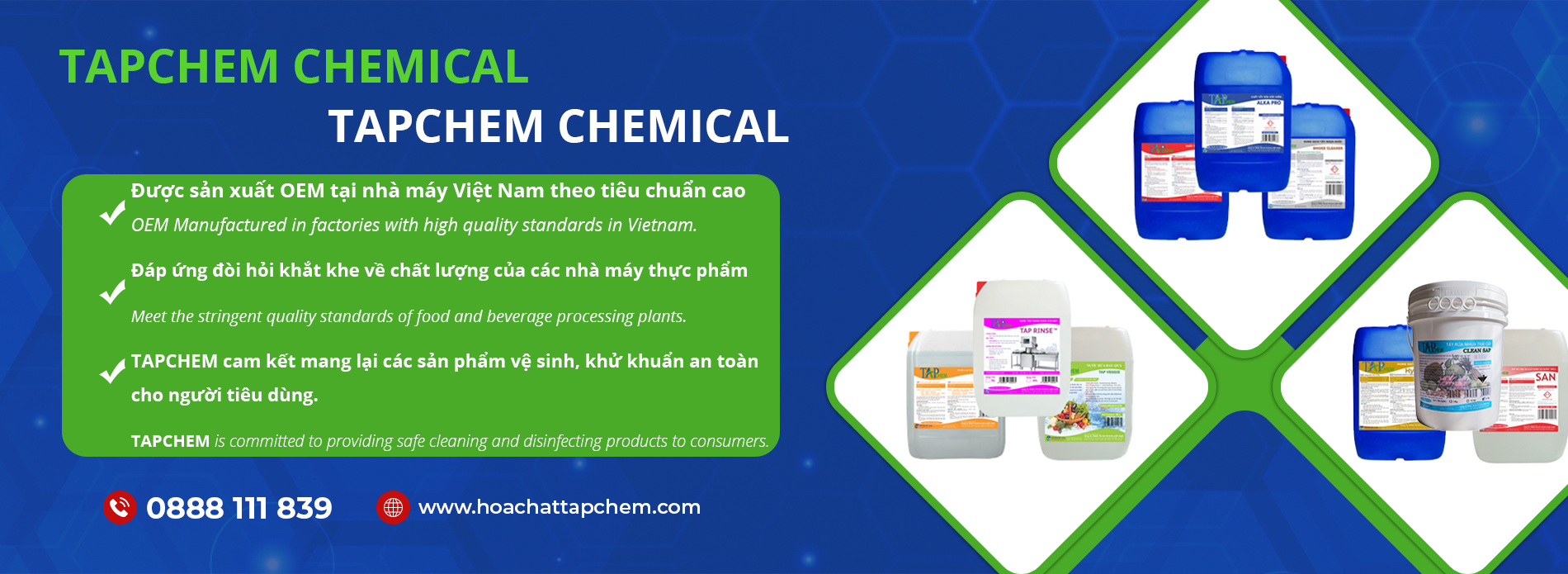
Chemicals are present in nearly every aspect of modern life—from industrial production and agriculture to healthcare and household cleaning. While chemicals bring significant benefits, they also pose risks to human health and the environment if handled improperly. Therefore, chemical safety is crucial for every individual and organization involved in chemical use.
This article provides practical, easy-to-understand guidelines to ensure safety when working with chemicals. It is suitable for websites, training materials, industrial facilities, and educational institutions.
Reduces health risks: prevents burns, eye irritation, acute poisoning, and long-term effects on the liver, kidneys, and nervous system.
Protects the environment: chemical spills can contaminate soil, water, and air.
Ensures legal compliance: businesses must follow chemical management regulations such as the Chemical Law, Decree 113/2017/NĐ-CP, and the GHS classification system.
Reduces operational costs: minimizes accidents, protects assets, and improves work efficiency.
Before using any chemical, it is essential to carefully review:
Chemical name & formula
Hazard classifications (corrosive, toxic, flammable, etc.)
GHS hazard pictograms
Hazard statements (H-statements) & precautionary statements (P-statements)
Instructions for safe handling and storage
Emergency measures
Understanding chemical labels helps prevent misuse, ensures proper application, and guides the selection of appropriate personal protective equipment (PPE).
To use chemicals safely, individuals must be properly equipped:
Chemical-resistant gloves
Protective goggles or face shield
Chemical-resistant apron or clothing
Respirator or mask for toxic fumes
Safety shoes
Note: Each chemical requires specific PPE. For example, strong acids require nitrile or neoprene gloves—thin PVC gloves are not suitable.
Ensure proper ventilation or use a fume hood to reduce exposure to harmful vapors.
Common dangerous interactions include:
Chlorine mixed with acids → releases toxic chlorine gas
Hydrogen peroxide reacting with metals → risk of fire or explosion
Always add chemical to water, not water to chemical
Use clean, dedicated tools
This prevents accidental ingestion and contamination.
Store chemicals in a cool, dry, well-ventilated area
Keep away from heat sources and sparks
Separate chemicals by hazard group: acids, alkalis, oxidizers, flammable solvents, etc.
Label containers clearly and include opening dates
Never store chemicals in food or beverage containers
→ Rinse immediately with clean water for 15–20 minutes and remove contaminated clothing.
→ Flush the eyes under running water for at least 15 minutes and seek medical attention.
→ Use absorbent materials (sand, cloth, or spill pads). Do not flush chemicals into drains.
→ Move the person to fresh air; call for medical assistance if breathing difficulties occur.
Organizations should implement:
Annual chemical safety training
Updated Safety Data Sheets (SDS) for all chemicals
Emergency drills for spills and fires
Standard Operating Procedures (SOPs) posted at work areas
Chemical safety is not only a legal obligation but also a shared responsibility. When we understand and follow proper safety practices, we protect not only ourselves but also the environment and the long-term sustainability of our workplaces.









 Land plot number 97, DT749D Road, Xom Bung Quarter, Tay Nam Ward, Ho Chi Minh City.
 0888 111 839
 sales@pitayavn.com
 www.hoachattapchem.com

Hotline
