0888 111 839
sales@pitayavn.com


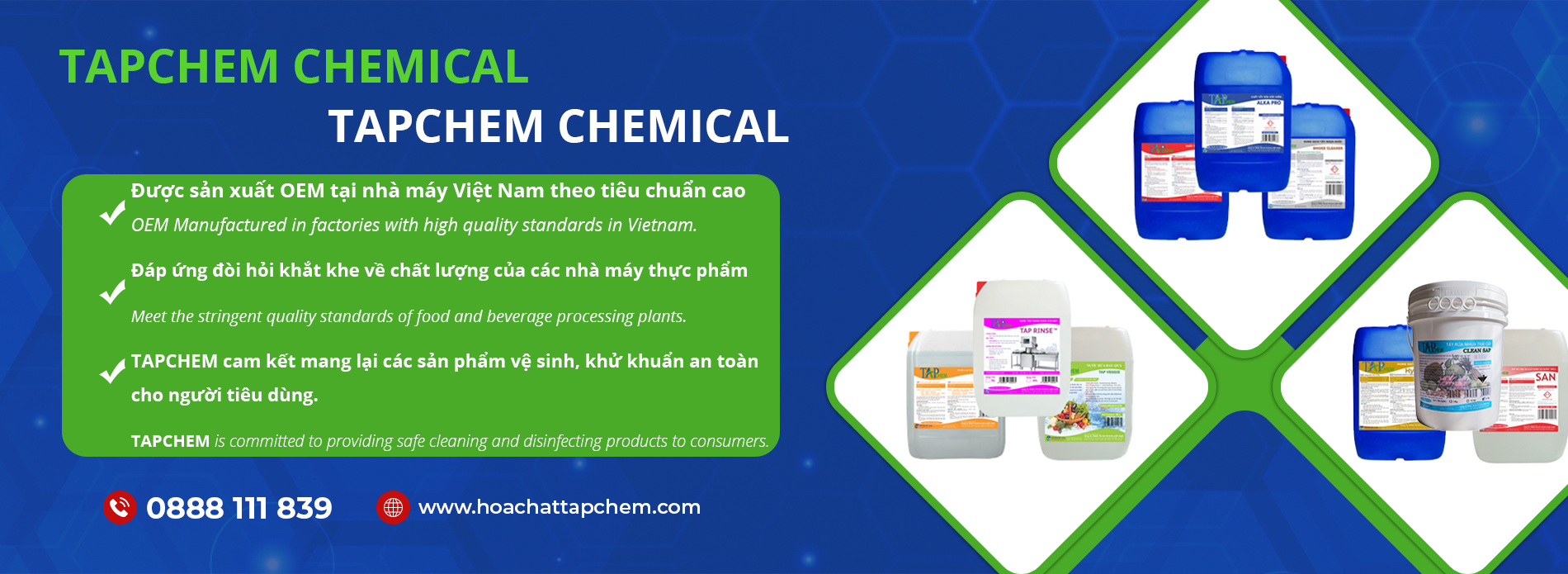
The chemical industry has experienced remarkable growth and achieved many significant milestones. In reality, chemicals play a crucial role across numerous sectors—from the production of everyday items such as raincoats and plastic sandals to advanced materials used in energy, aerospace, and missile technology. It is evident that the chemical industry is essential and in high demand. However, economic downturns continue to exert considerable pressure on chemical companies in Vietnam.
The decline of the chemical industry can be interpreted differently depending on perspectives from various economic schools of thought.
In macroeconomics, “a recession in the chemical industry is defined as a decline in the volume of chemical production within a country, or negative growth for two or more consecutive quarters within a year.”
A severe and prolonged downturn is considered a chemical industry crisis. The collapse that devastates the sector is often described as a bursting of the chemical industry bubble, placing a heavy burden on chemical enterprises. When multiple countries simultaneously experience declines in chemical production, this results in a global chemical recession.
Although Vietnam is affected, the overall impact remains relatively moderate compared to other major markets.
Demand for chemicals and durable goods drops sharply, causing inventories to rise unexpectedly. Manufacturers respond by cutting production, reducing investment in equipment and facilities, ultimately leading to a significant decrease in actual output.
Working hours for employees are reduced first, followed by layoffs and rising unemployment as companies scale down operations.
When production decreases, inflation tends to ease because the demand for chemical production inputs falls. Service prices rarely drop but also do not rise rapidly during a recession.
Corporate profits shrink, and stock prices typically fall as investors anticipate the downward phase of the business cycle. Lower demand for capital also drives interest rates down during recessions.
The global economic downturn significantly affects chemical companies worldwide, including those in Vietnam. Adjustments in pricing policies and supportive government measures can help enterprises stabilize production, boost exports, accelerate product consumption, and improve overall manufacturing quality.








 Land plot number 97, DT749D Road, Xom Bung Quarter, Tay Nam Ward, Ho Chi Minh City.
 0888 111 839
 sales@pitayavn.com
 www.hoachattapchem.com

Hotline
