0888 111 839
sales@pitayavn.com


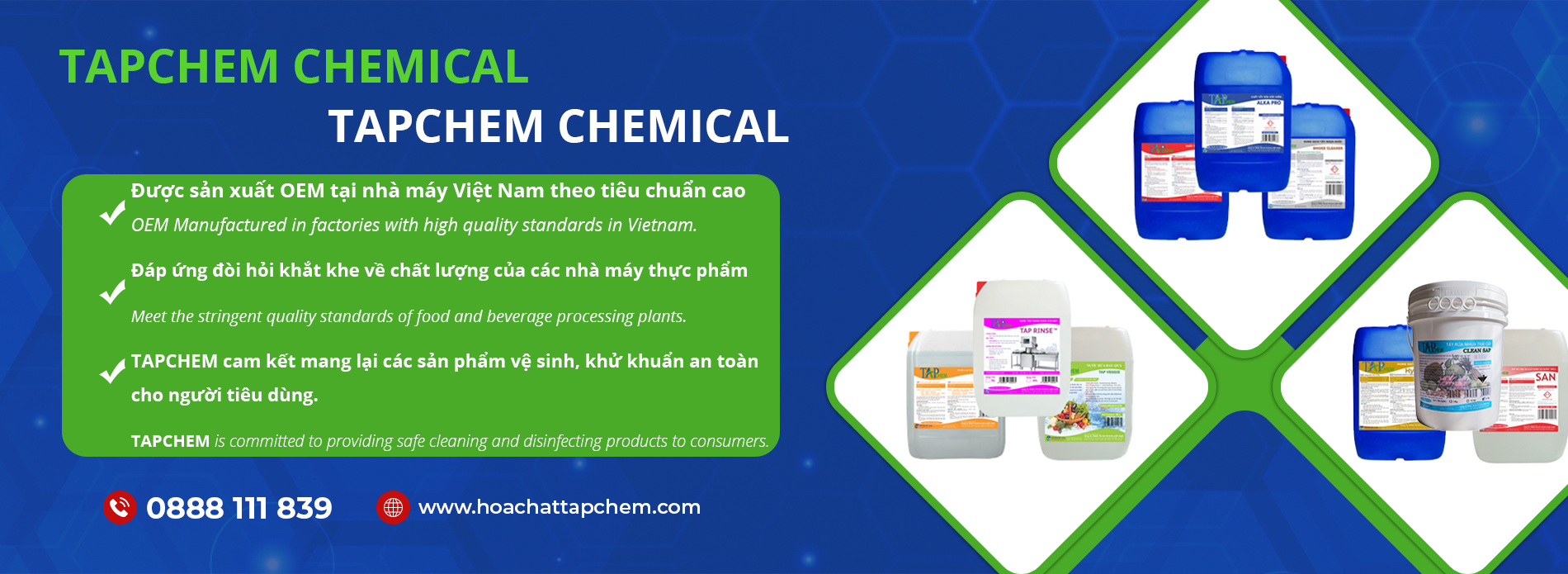
In the food and seafood processing industry—where hygiene, safety, and microbiological control are non-negotiable—PAA (Peracetic Acid) has become one of the most trusted disinfectants thanks to its fast action, strong antimicrobial performance, and residue-free profile. With superior disinfection efficiency and environmental safety, PAA is increasingly considered the gold standard for sanitation in modern processing plants.
PAA (Peracetic Acid) is a powerful oxidizing agent formed from hydrogen peroxide and acetic acid, known for its ability to kill microorganisms rapidly, even at low concentrations.
Global regulatory bodies such as FDA, USDA, EPA, and the European Union approve the use of PAA in food applications because it meets three critical requirements:
High antimicrobial efficacy
No harmful chemical residues
Biodegradable and environmentally safe
These characteristics make PAA ideal for seafood processing, beverage manufacturing, dairy operations, fruit and vegetable processing, and frozen food production.
PAA is effective against:
Pathogenic bacteria: E. coli, Salmonella, Listeria monocytogenes, Vibrio spp.
Yeasts and molds
Viruses
Biofilms—microbial layers that strongly adhere to equipment surfaces
Its kill time is within seconds, outperforming many conventional disinfectants.
One of PAA’s greatest advantages is its clean decomposition:
After reaction, PAA breaks down into water, oxygen, and acetic acid, all of which are safe for food environments.
→ No toxic residues, no contamination risks, no impact on sensory quality (odor, color, taste).
This allows factories to meet strict export standards, including:
EU
United States
Japan
South Korea
Unlike chlorine, which loses efficacy in the presence of organic matter, PAA:
Works efficiently in cold water—ideal for seafood and produce
Remains active even with high organic content such as protein or fat
Requires no elevated temperatures, reducing energy consumption
This helps improve overall processing efficiency and reduce operating costs.
PAA does not form THMs, chloramines, or chlorinated hydrocarbons—harmful by-products associated with chlorine disinfectants.
→ Protects consumer health
→ Avoids regulatory risks in food safety compliance
PAA breaks down rapidly after use:
Does not harm wastewater treatment systems
Does not accumulate in the environment
Minimally impacts aquatic ecosystems
This makes PAA an excellent choice for factories pursuing green, sustainable production practices.
PAA is widely used in:
In seafood processing, PAA helps:
Reduce fishy odors
Minimize microbial contamination
Improve freshness and extend shelf life
| Criteria | PAA | Chlorine | Alcohol | Ozone |
|---|---|---|---|---|
| Antimicrobial efficacy | ★★★★★ | ★★☆☆☆ | ★★☆☆☆ | ★★★★★ |
| No residues | Yes | No | Yes | Yes |
| Biofilm removal | Excellent | Weak | No | Good |
| Performance with organic load | Strong | Weak | Weak | Strong |
| Suitability for food processing | High | Limited | Low | Moderate |
| Environmental friendliness | High | Low | Medium | Medium |
→ PAA is one of the most well-rounded and effective disinfectants for the food processing sector.
Peracetic Acid (PAA) is rapidly becoming an essential sanitation agent in the food and seafood processing industry thanks to its:
Rapid, broad-spectrum disinfection
Residue-free and food-safe nature
Biodegradability and environmental friendliness
Strong efficacy even in cold, organic-rich environments
PAA helps processing plants enhance product quality, control microorganisms, minimize contamination risks, and meet international export standards.






 Land plot number 97, DT749D Road, Xom Bung Quarter, Tay Nam Ward, Ho Chi Minh City.
 0888 111 839
 sales@pitayavn.com
 www.hoachattapchem.com

Hotline
